
 Basic Mechanics
-
Funny Boat
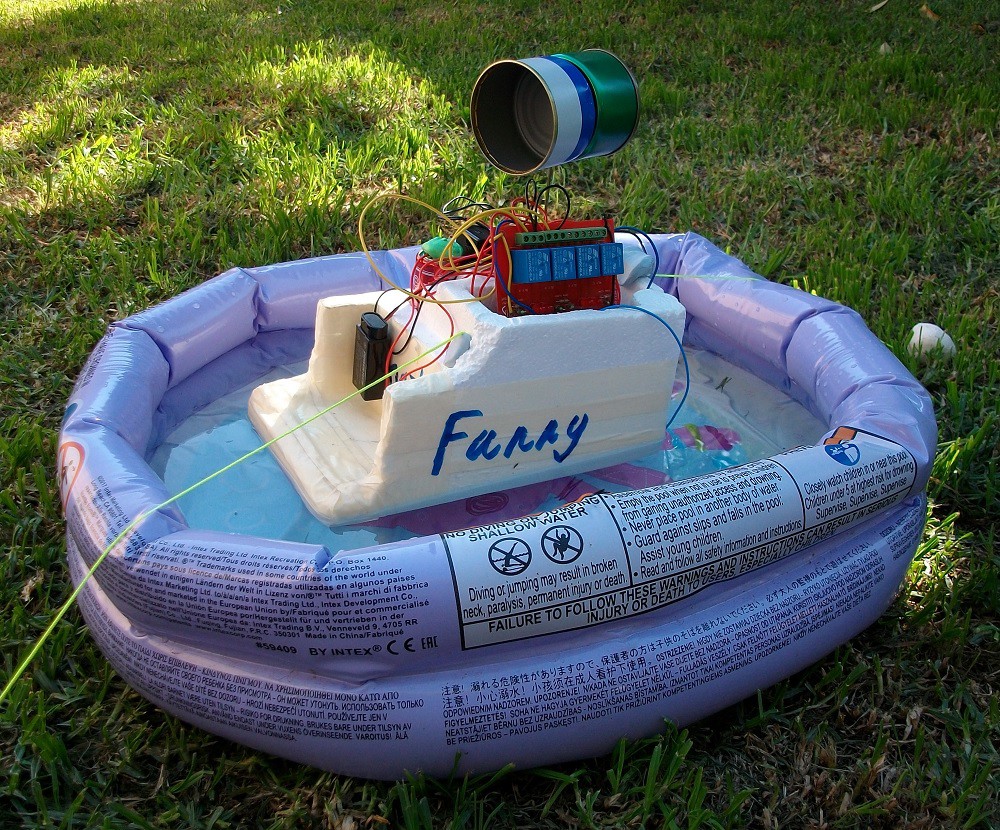
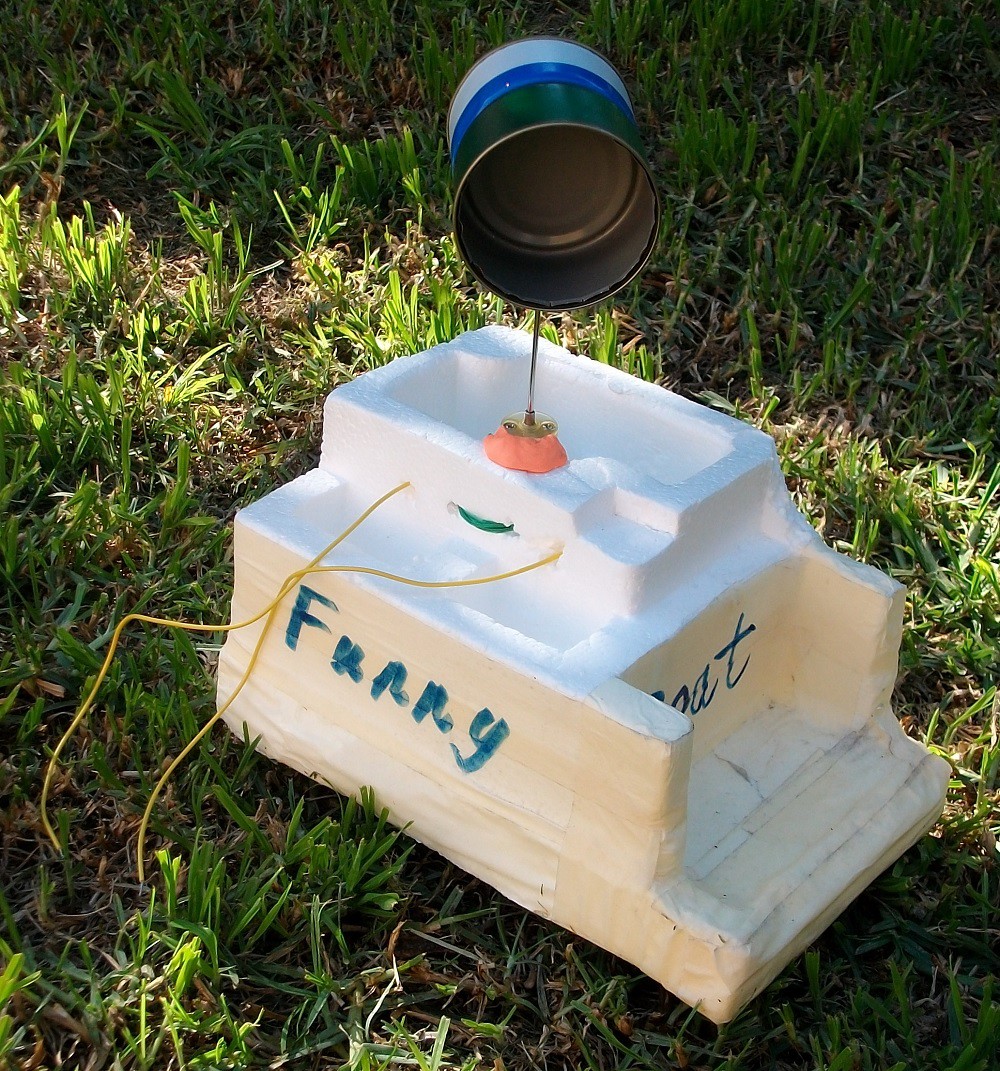
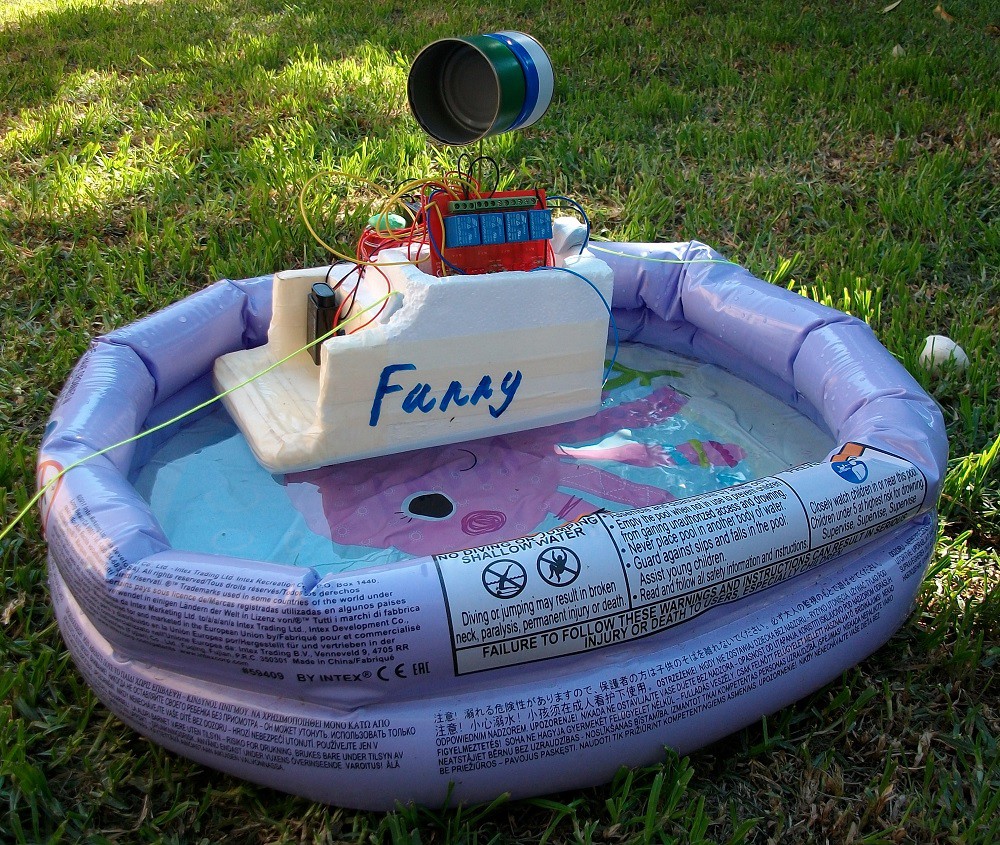
04/08/2021 at 04:10 • 0 commentsThis website is about a boat with a rotating radar made from tuna cans.
![]()
You can see my toy working in those videos:
Another video:
Step 1: Attach the Motor
I found an old foam packaging material in my garage.
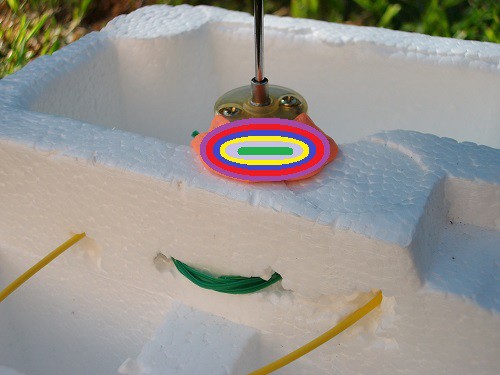
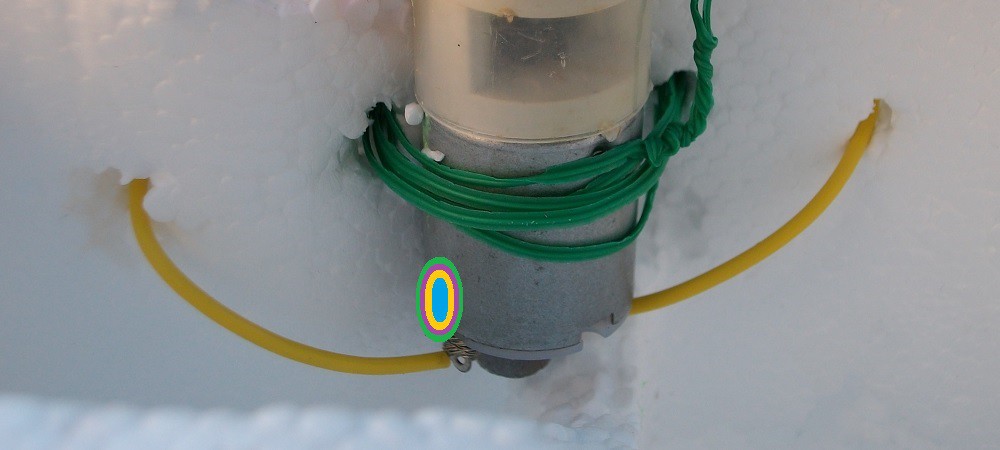
I purchased a low cost gear motor on eBay. This motor included a thin and long rod attached to motor gear output shaft. I used blue tack and thin insulated metal wire to attach the motor:
![]()
Second photo:
![]()
You can see in the second photo that underneath the motor there is a small weight. This weight is attach to the motor rotor and spins quickly with the rotor and used to drive additional loads. I had the make sure that the movement of this weight is not impeded by the foam structure.
Step 2: Attach the Radar
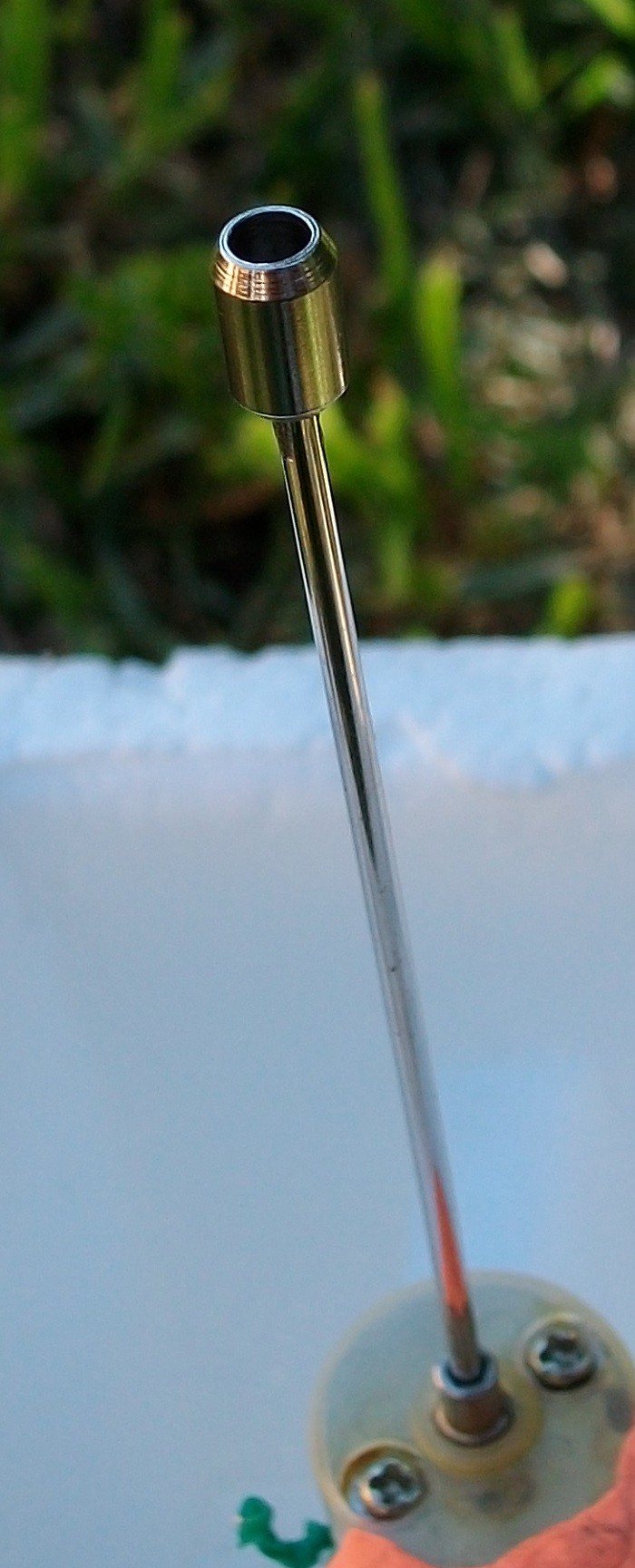
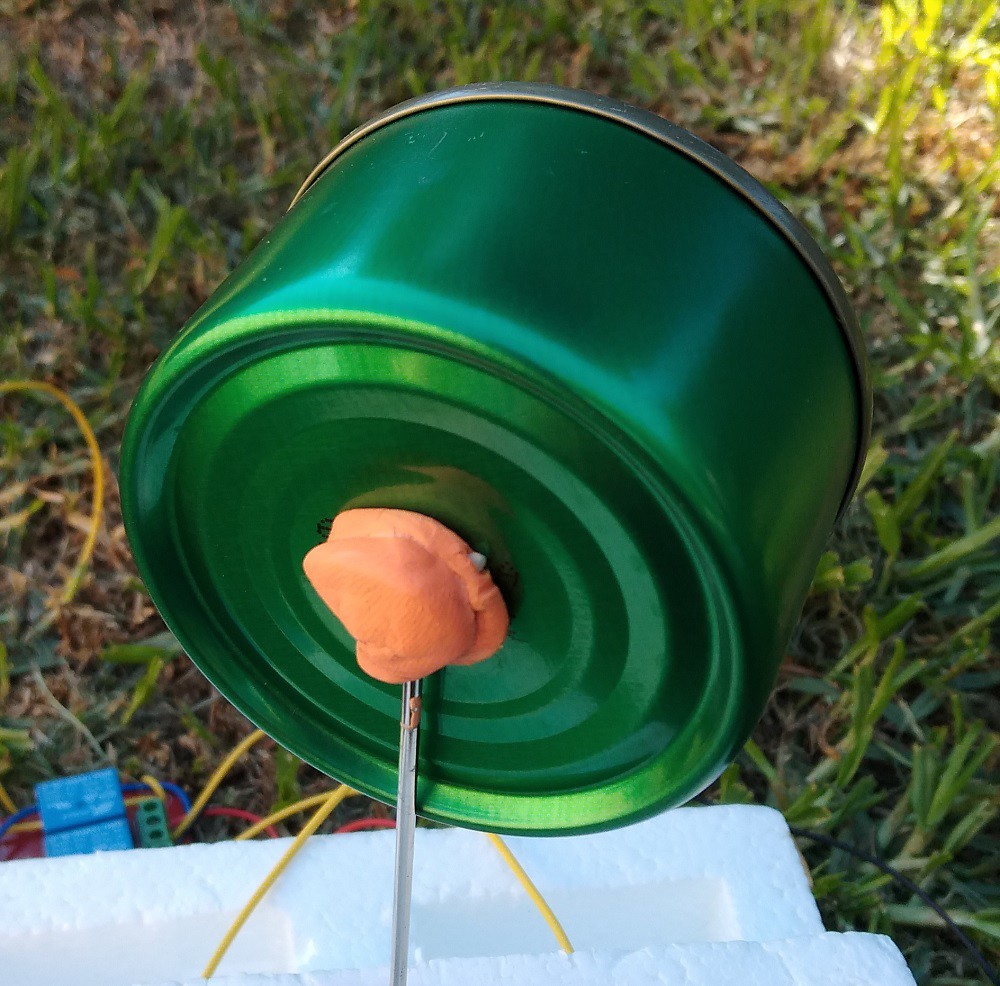
You can see the end of the motor shaft here:
![]()
I attached the two tuna cans with blue tack:
![]()
Step 3: Build the Receiver
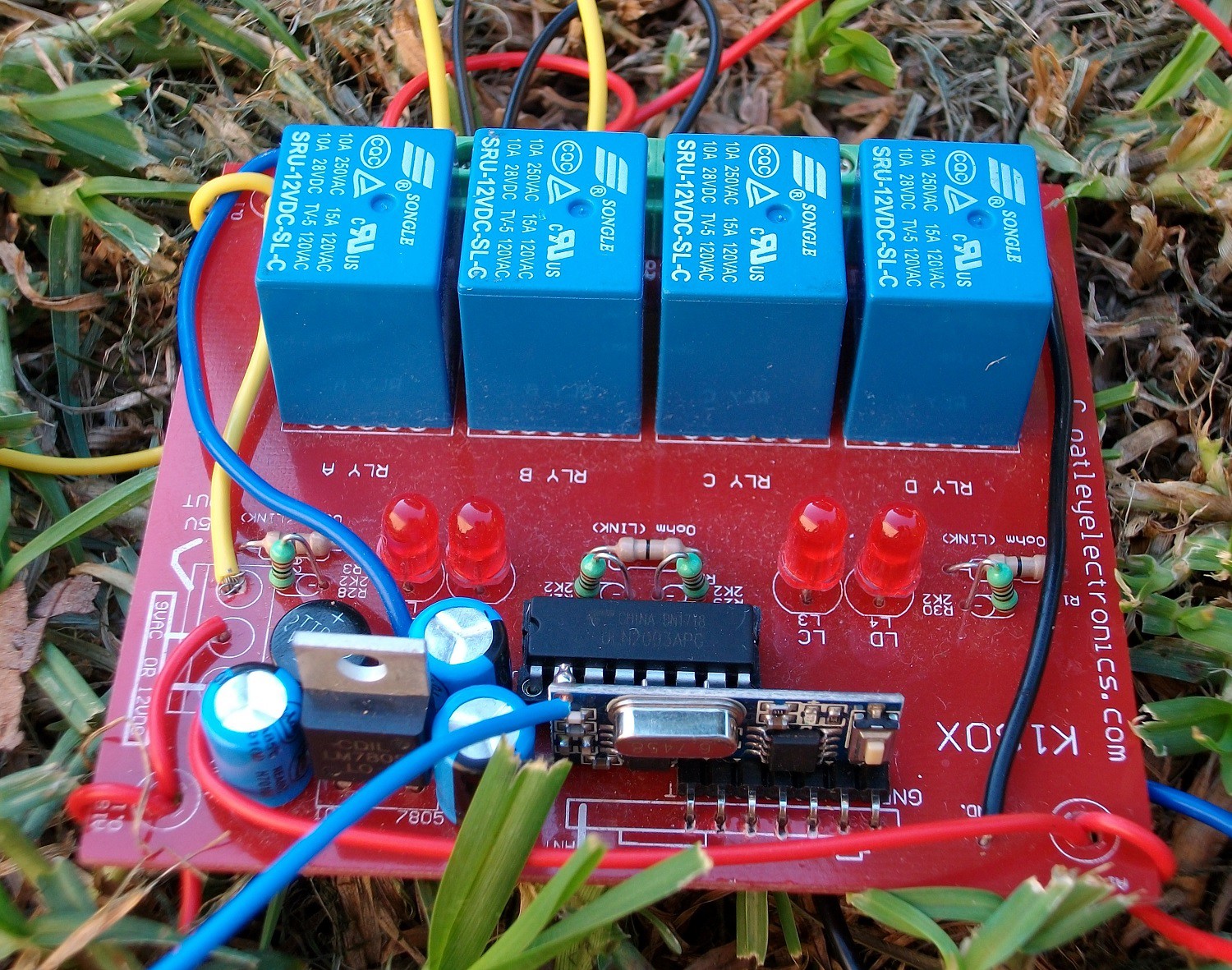
My friend ordered this radio receiver from Oatley Electronics:
![]()
For more information click on this link:
https://hackaday.io/page/10304-antenna-remote-control
Step 4: Connect the Wires
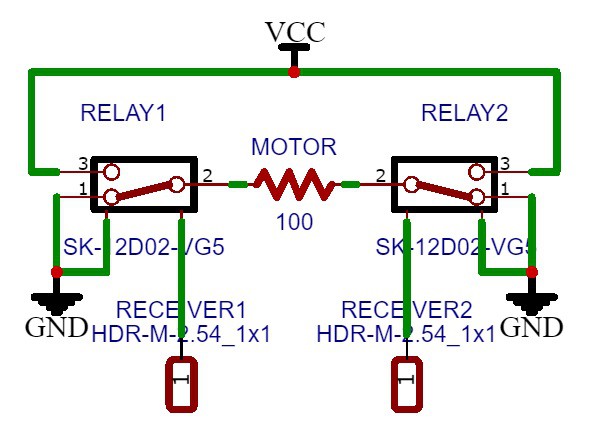
Design the Circuit:
![]()
Connect the circuit (I used soldering):
![]()
Step 5: Testing On Ground
I tested the motor spinning on the ground after assembling the boat:
![]()
Step 6: Testing In Water
I had to adjust the centre of mass because the radar was not spinning when the boat was slight tilted:
![]()
Probably the real source of problem was not tilted boat but the rusty motor gears. After a few minutes the radar would spin without any issues as you see in my videos:
Step 7: Distance Testing
The distance of the receiver could be at least 10 metres.
Conclusion
I had to drive the relay with two 9 V batteries making a total of 18 V. If I created 18 V by connecting D or even C batteries in parallel I would definitely burn the relays. The kit has a 9 V input but the relays were not turning ON even after I connected 3 V AA battery block in series with 9 V battery making a total voltage of 12 V that is needed for the relays.
-
Vibration Lid
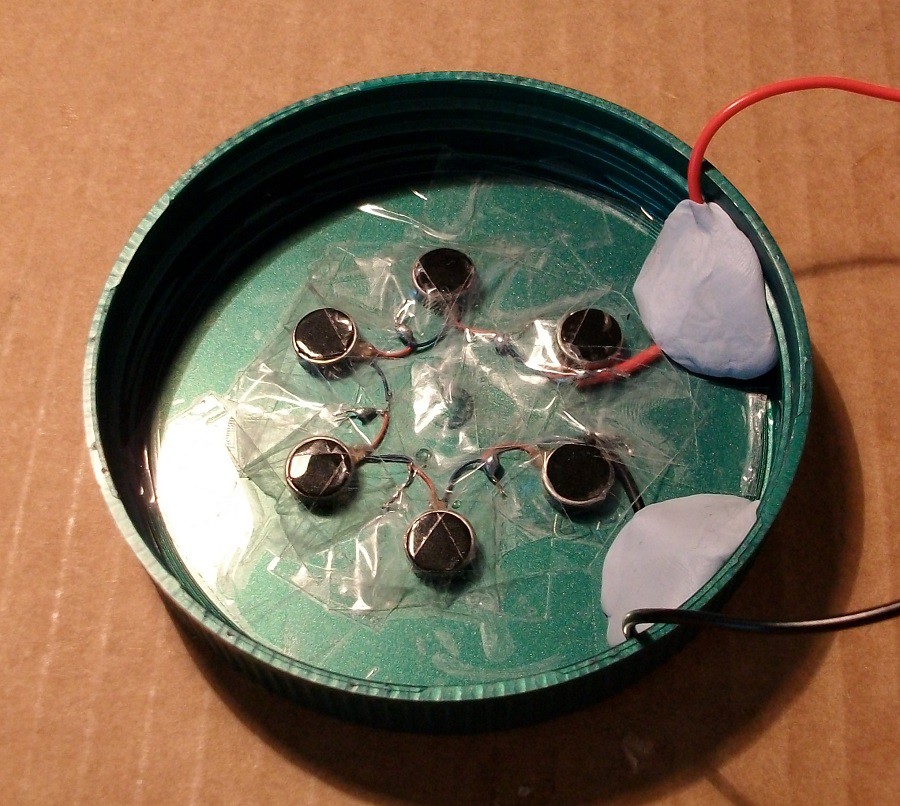
11/27/2020 at 01:07 • 0 commentsThis is a simple moving object that I made form vibration buzzers and fish oil lid.
Those hobby toys are very common. You can use:
- electric bells,
- magnets,
- buzzers,
- or motors.
You can see that mobile phone vibration devices are connected in series. I used clear sticky tape and blue tack:
![]()
You can see my toy working in this video at 18 V input:
You can use less vibration modules and less voltage. You can also use button cells to allow to toy move on its own.
-
Pulley Cord Light
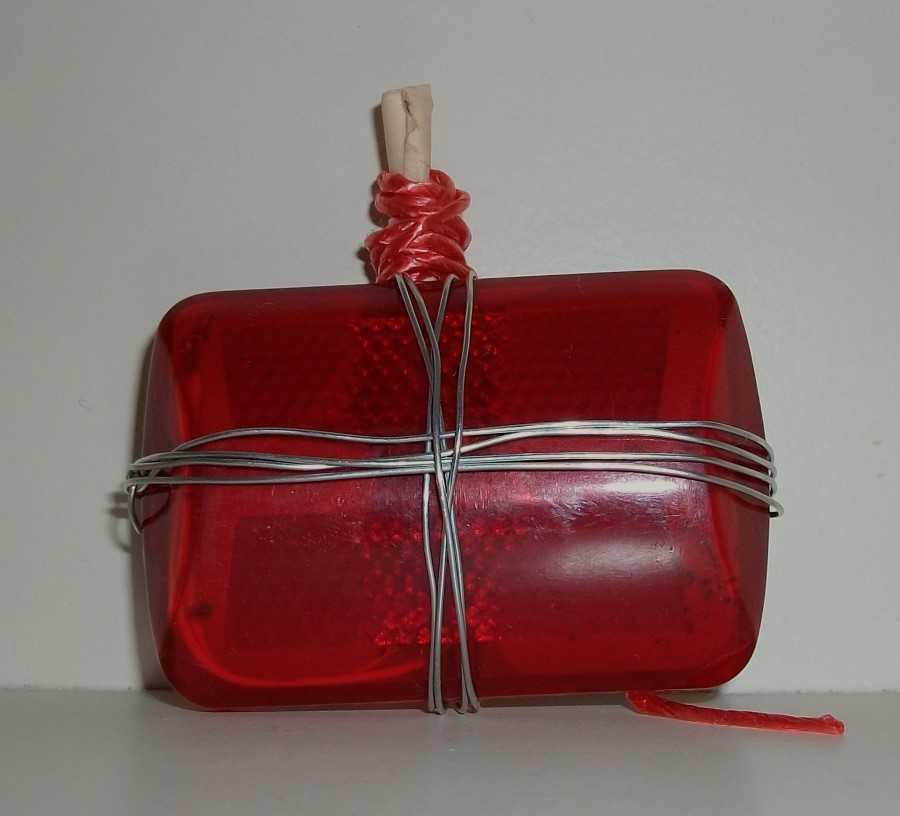
06/09/2020 at 01:30 • 0 commentsThis is a simple pulley cord light that I made:
![]()
I used the following components:
- small DC motor,
- small 1.5 V light bulb,
- plastic rope (red),
- masking tape,
- 1 mm metal wire,
- blue tack,
- rubber band,
- high power wire insulation (attached to motor shaft),
- and an old bike light cover.
The back side has no cover:
![]()
You can see my idea working in those two videos:
Door handle:
You can see the small 1.5 V light bulb to the left of the DC motor.


 Jdaie
Jdaie Mike Teachman
 Arcadia Labs
 Kristjan Berce
 James Pae
 Natalia
 Marko Dragoslavic
 Maave
Maave Kimio Kosaka
 Marius Taciuc
 Federico Pietro Briata, IZ1GLG
 AskSensors
 Dmitry
 bobgreenwade
 Juin
Juin Amirreza Nasiri
 Shane
Shane MasterOfNull