 Arnov Sharma

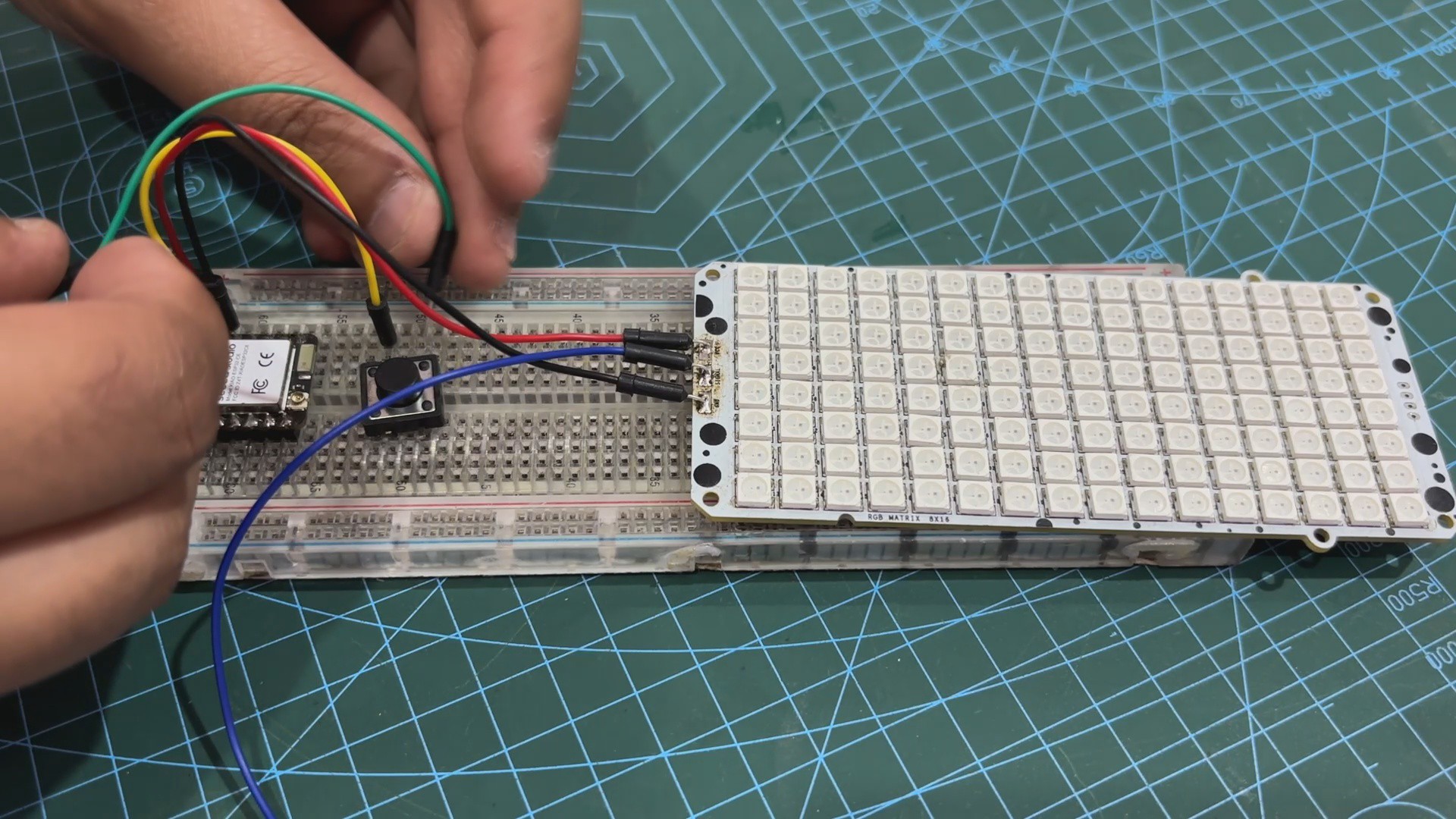
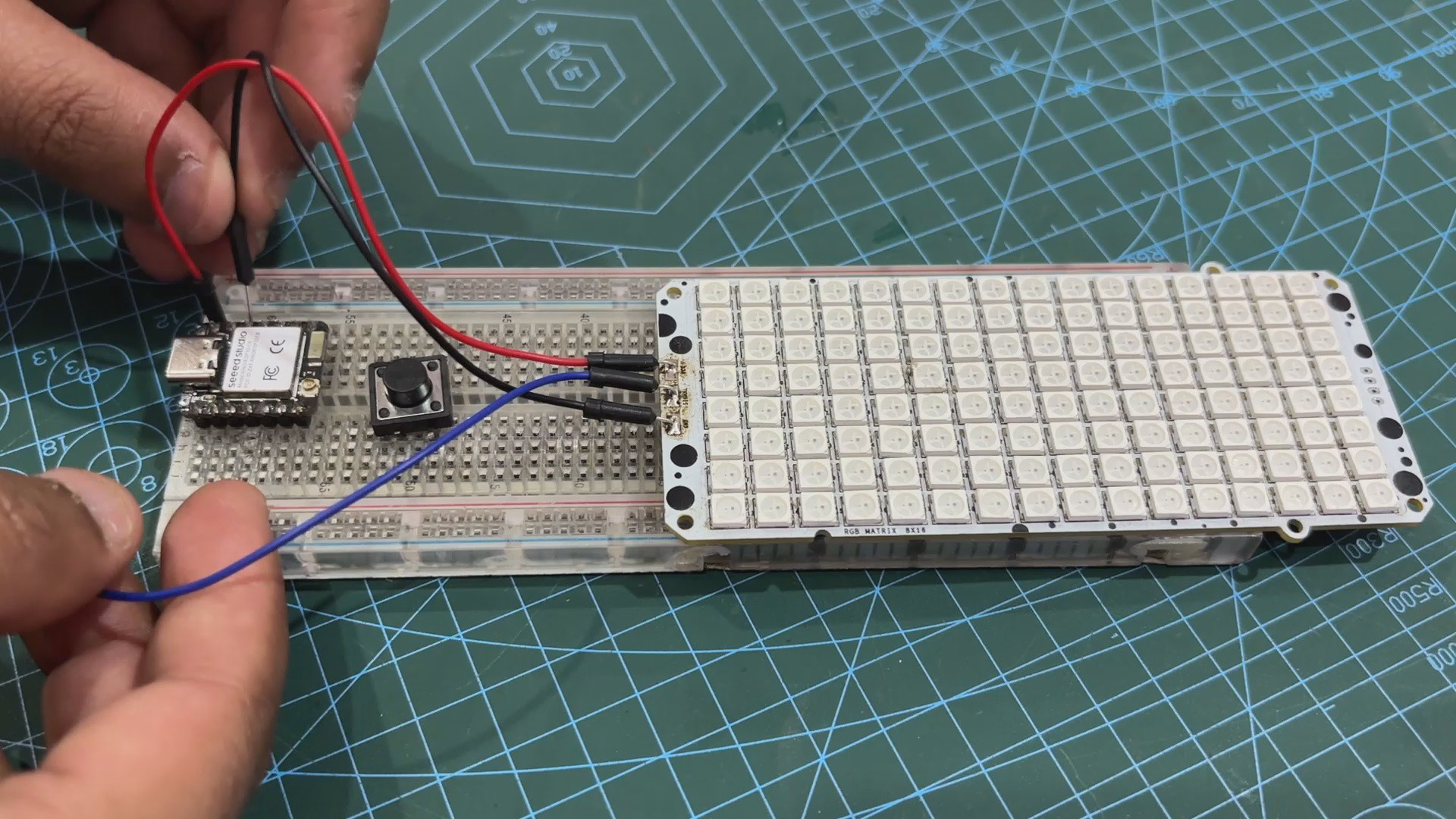
This is our version of Flappy Bird, in which the Bird, represented by a single pixel, moves through gaps in moving pillars on a 16x8 LED matrix. The goal is to avoid hitting the pillars while you navigate between the spaces. The gameplay is handled by a single button, and the challenge grows with time.
The pillars are randomly allocated spaces through which the bird must travel.
When the button is pressed, the bird travels upward; when the button is released, gravity drags it downward.
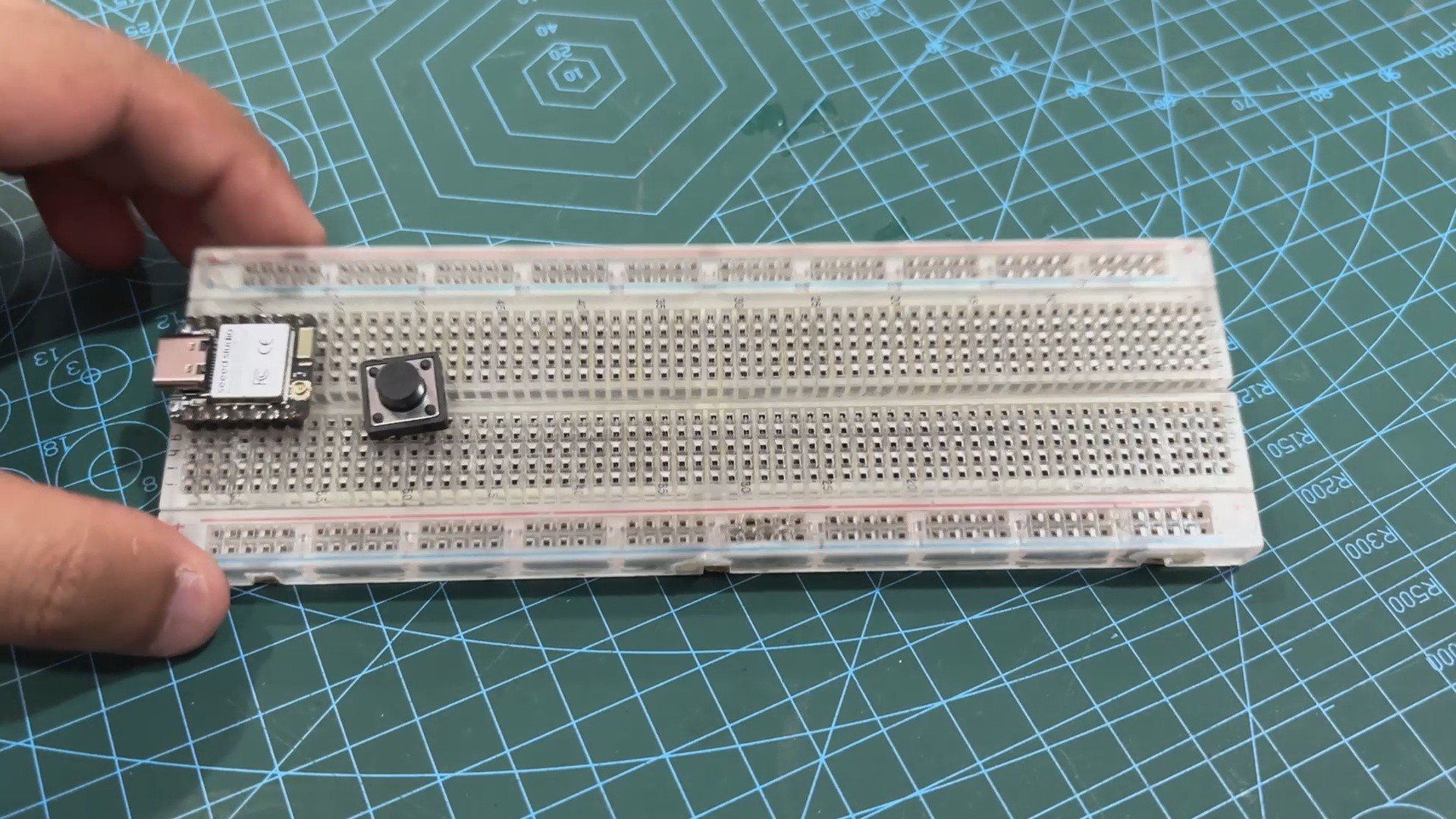
XIAO ESP32 C6 DEV BOARD

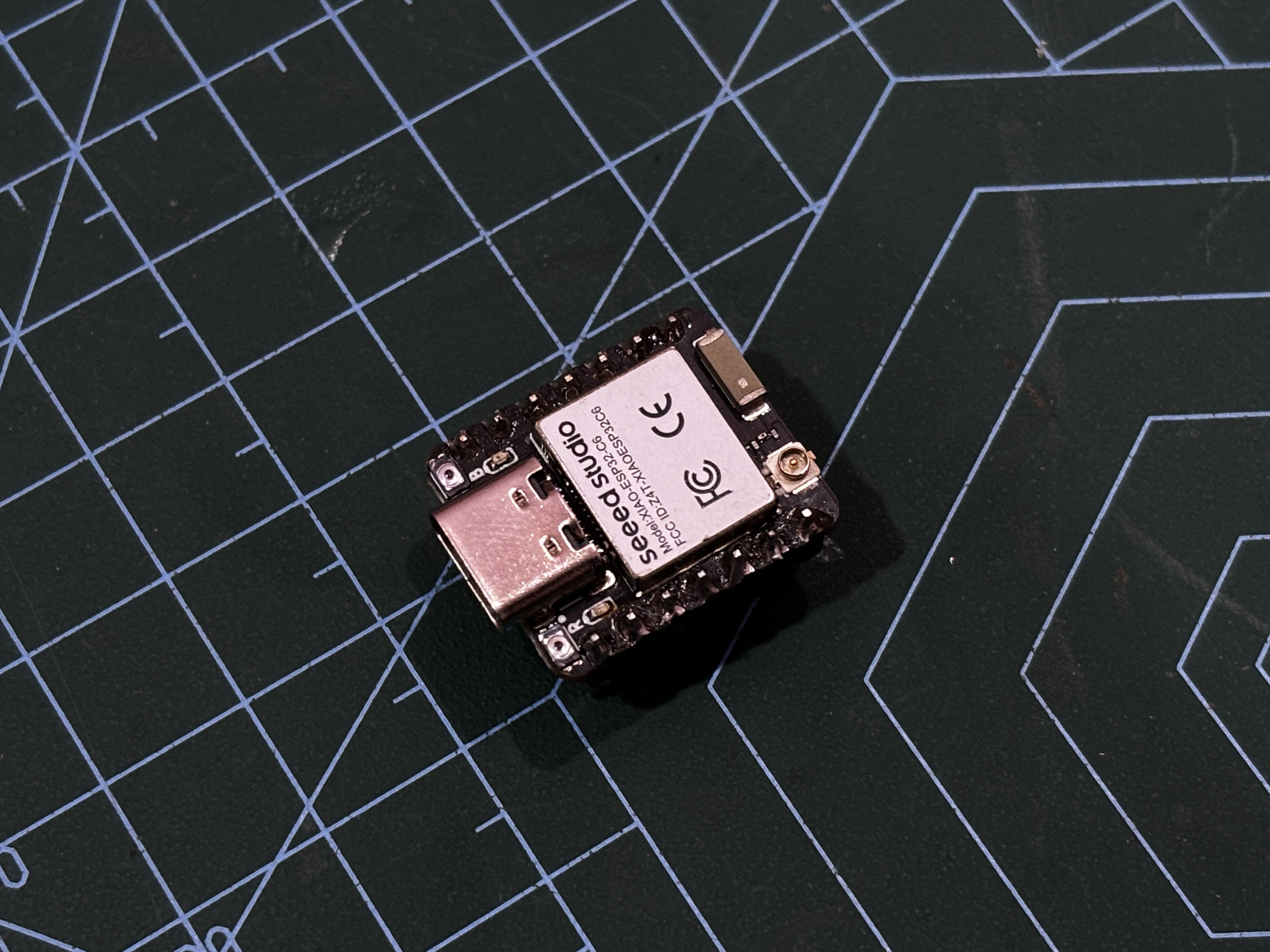
In this project, we are utilizing the XIAO ESP32 C6 development board, which is based on the ESP32-C6 SoC and features twin 32-bit RISC-V processors, one with a high-performance core operating at 160 MHz and the other with a low-power core running at 20 MHz, enabling efficient multitasking and energy savings.
Its 512KB SRAM and 4MB Flash provide sufficient space for program execution and storage, making it an excellent choice for projects that demand both speed and memory efficiency.
The XIAO ESP32 C6 stands out for its connectivity, which supports advanced protocols such as Wi-Fi 6, Bluetooth 5.3, and Zigbee/Thread, allowing for smooth integration with smart home systems and IoT devices. The board has 11 GPIO pins and various interfaces, such as UART, SPI, I2C, and ADC, allowing for easy connection to sensors and peripherals. Its small footprint (21 x 17.8 mm) and USB Type-C power input make it perfect for space-constrained and portable projects, such as your LED matrix game console.
Visit its product page if you want one, or its wiki page to learn more about the dev board.
https://www.seeedstudio.com/Seeed-Studio-XIAO-ESP32C6-p-5884.html
https://wiki.seeedstudio.com/xiao_esp32c6_getting_started/
16X8 WS2812B LED MATRIX
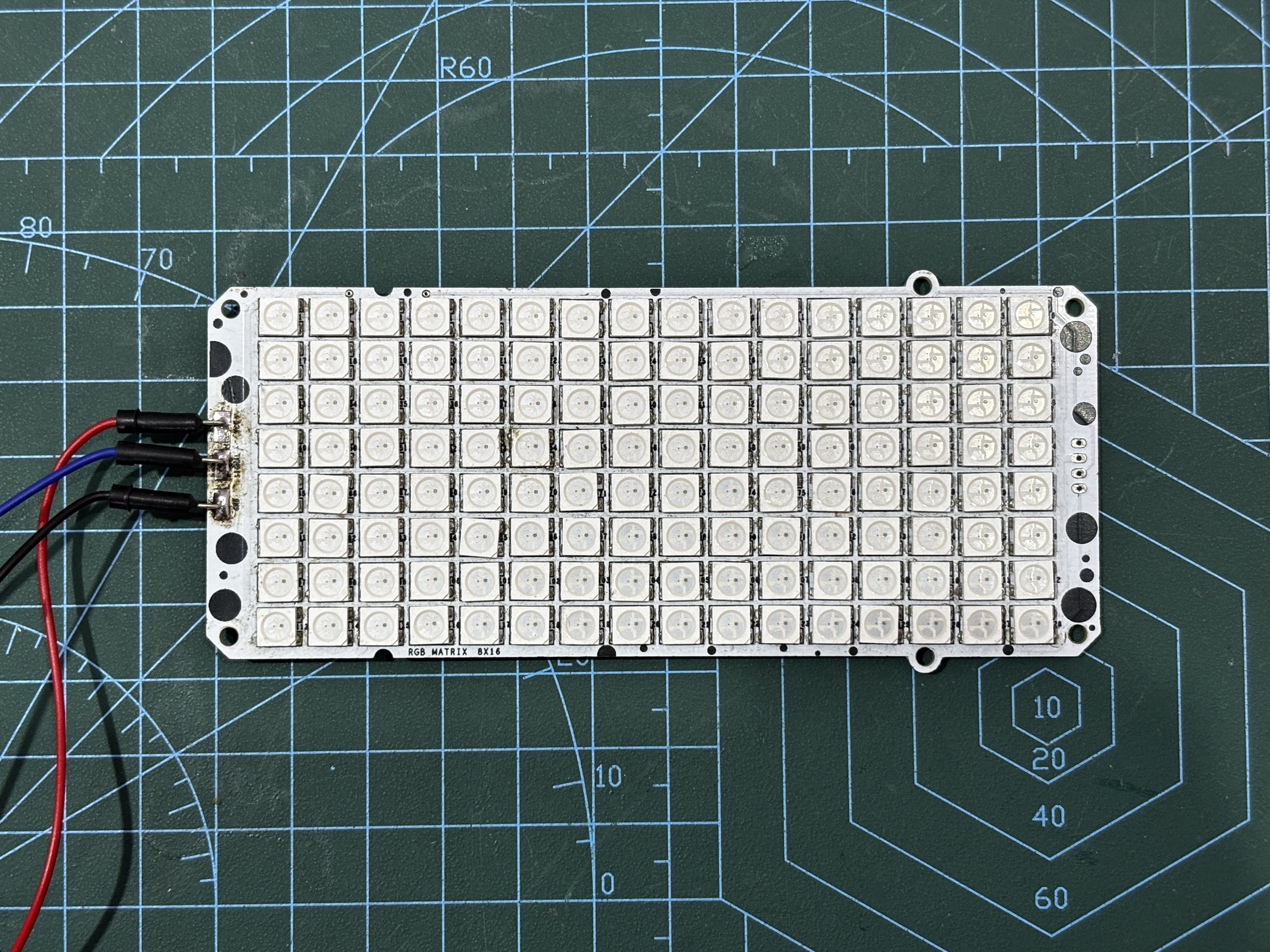
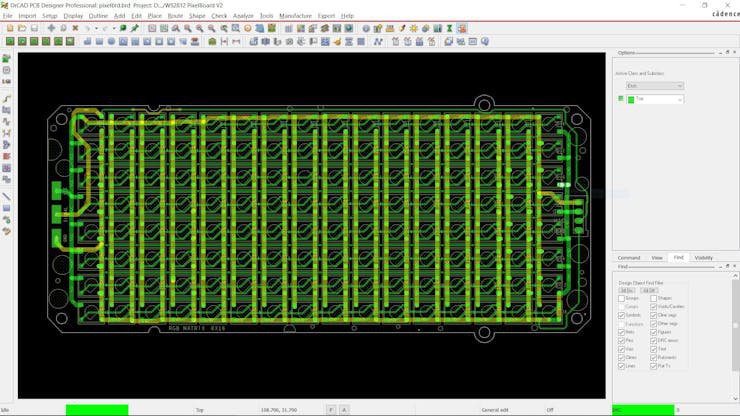

In this project, we are using one of our previously made matrix projects, which consists of 128 WS2812B LEDs placed in a 16x8 Matrix Layout, with 16 LEDs laid in 16 rows and 8 columns.
Each WS2812B LED is wired in parallel with one another. To control all 128 LEDs, only one GPIO is required because each LED is connected in a unique configuration in which the first LED Dout is connected to the second LED Din port, the second LED Dout is connected to the Din of the third LED, and so on until the last 128th LED.
For a more in-depth look at this display's development process, please see my prior article, in which I briefly explained it.
https://www.hackster.io/Arnov_Sharma_makes/custom-16x8-ws2812-matrix-project-89778d#toc-pcb-design-2
Seeed Studio Fusion
Seeed Fusion PCB Service offers one-stop prototyping for PCB manufacture and PCB assembly, and as a result, they produce superior-quality PCBs and fast turnkey PCBAs within 7 working days.
Seeed Studio Fusion PCB Assembly Service takes care of the entire fabrication process, from Seeed Studio Fusion Agile manufacturing and hardware customization to parts sourcing, assembly, and testing services, so you can be sure that they are getting a quality product.
After gauging market interest and verifying a working prototype, Seeed Propagate Service can help you bring the product to market with professional guidance and a strong network of connections.




 Cas Hoefman
 davedarko

 bobricius
 pcadic
Hi, Where did you find the 8X16 WS2812 pannel?