 Hiroyuki OYAMA

1. Design Motivation
Darśana was designed to test how much expressive control and sound quality could be achieved on a small, inexpensive platform.
Rather than simulating analog circuits in software, the goal is to recreate the behavioral feel of analog instruments — smooth modulation, immediate response, and subtle instability that feels alive.
2. System Architecture
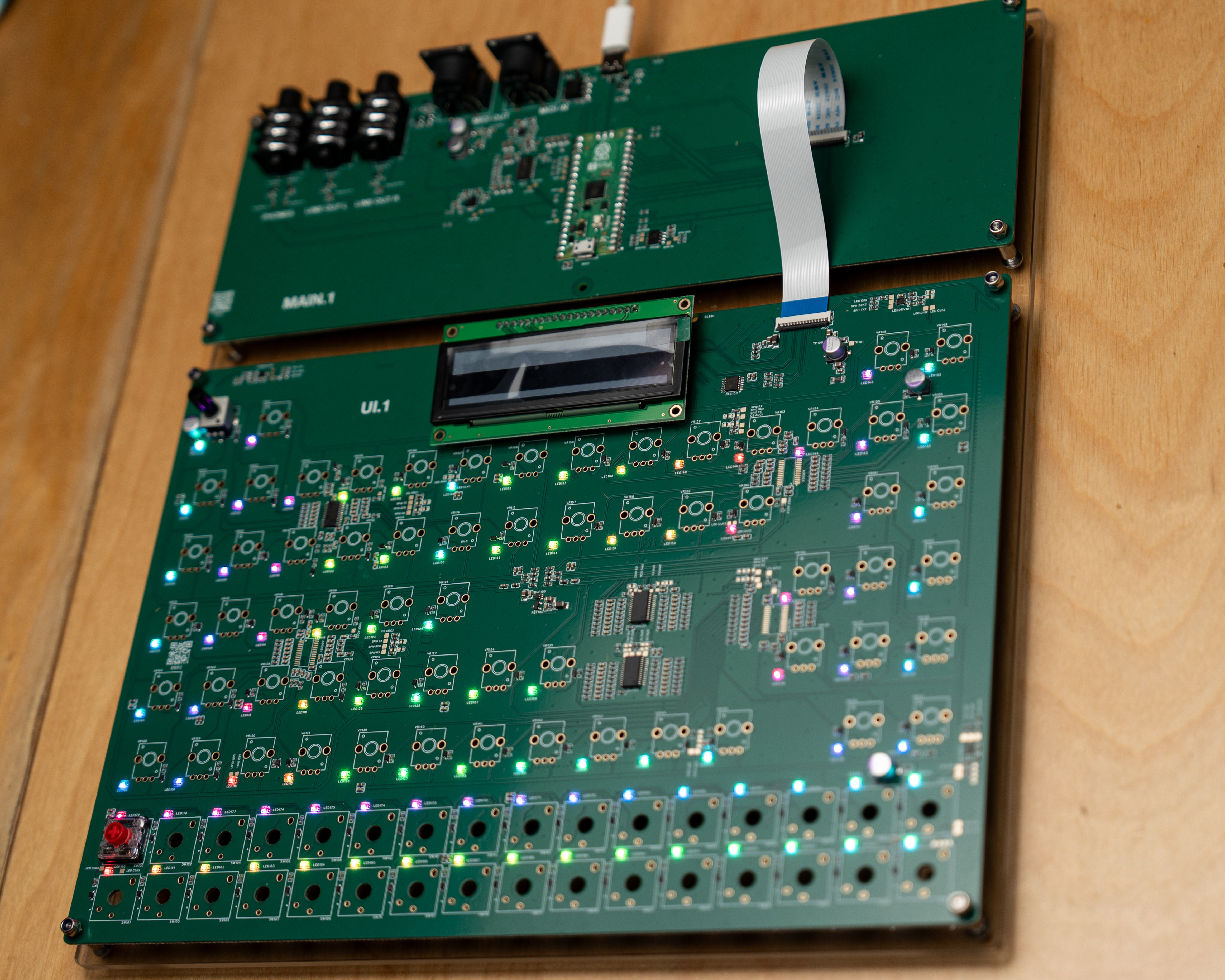
At the core is a Raspberry Pi Pico 2 (RP2350), running dual Cortex-M33 cores.
The mainboard integrates:
- PCM5122 I²S DAC for 24-bit / 48 kHz stereo output
- TPA6130A2 headphone amplifier with I²C control
- Four AD7490 ADCs handling 64 knobs via SPI0
- Two MCP23S17 expanders for 32 buttons
- SK9822 LED chains and a 3.12″ OLED display on SPI1
- FRAM for preset storage
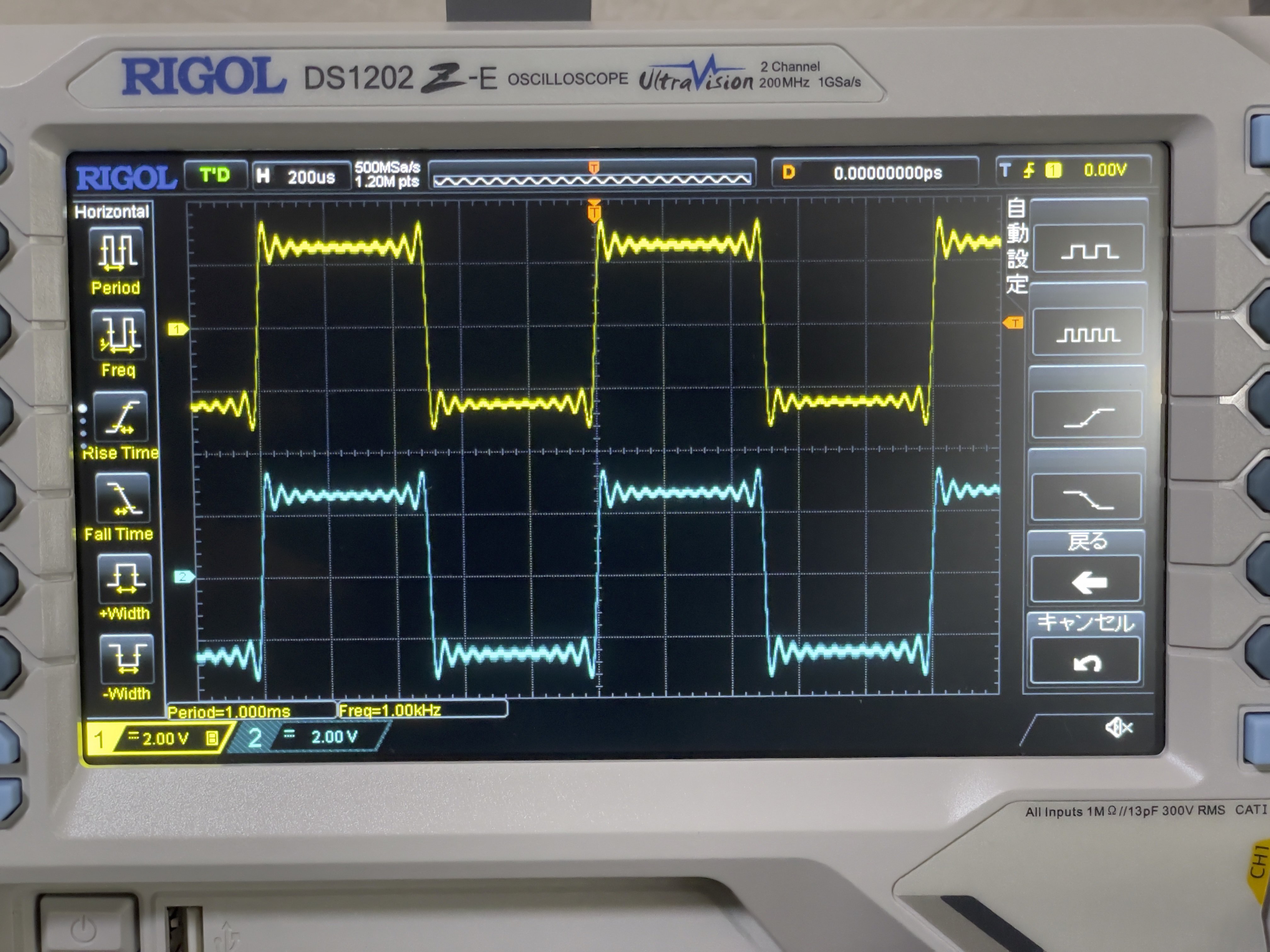
SPI and PIO/I²S paths are DMA-driven, allowing audio and control data to stream continuously without CPU blocking.
This keeps timing tight enough for modulation and feedback paths to feel fluid, even with limited processing power.
3. Sound Engine
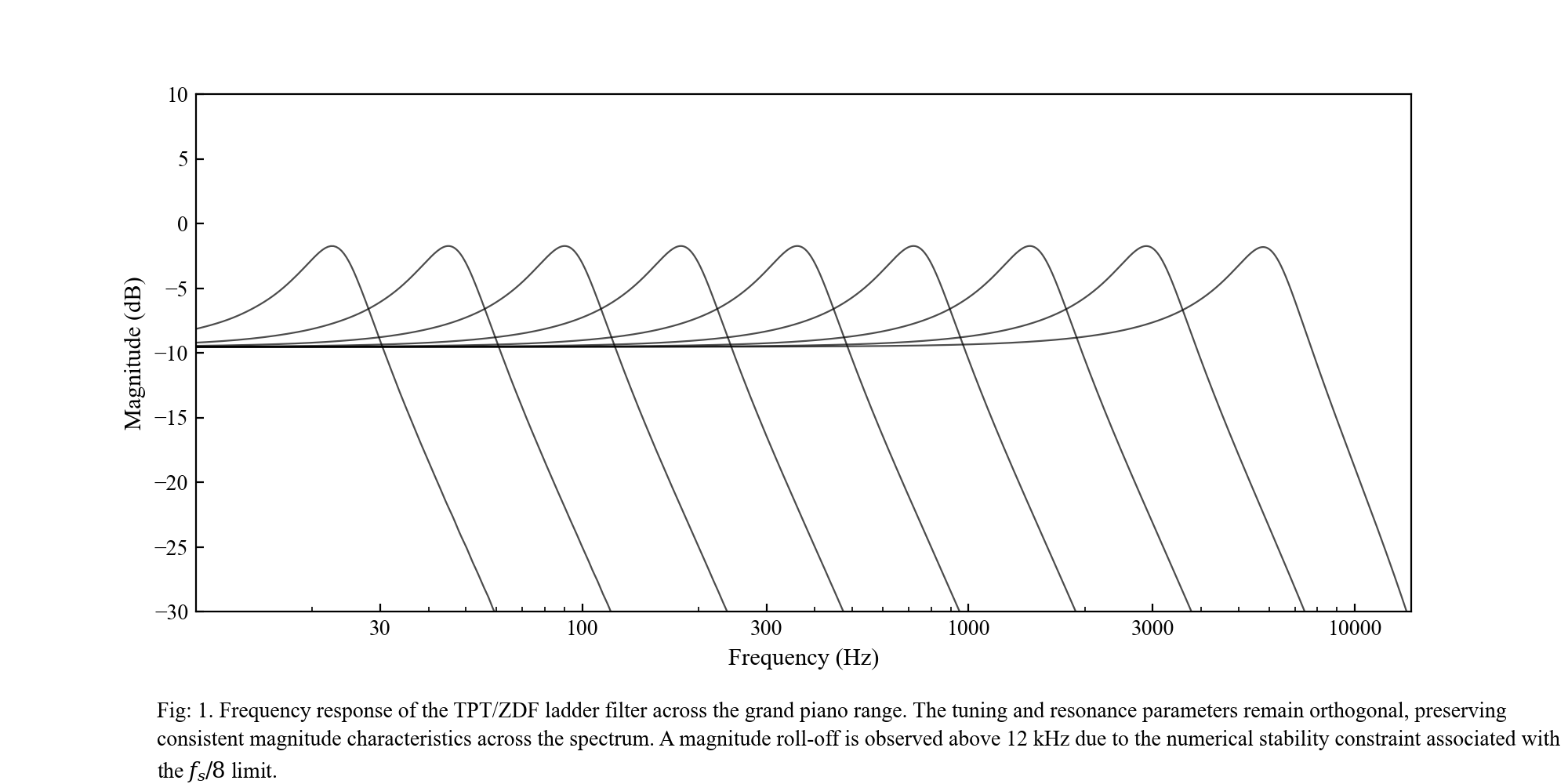
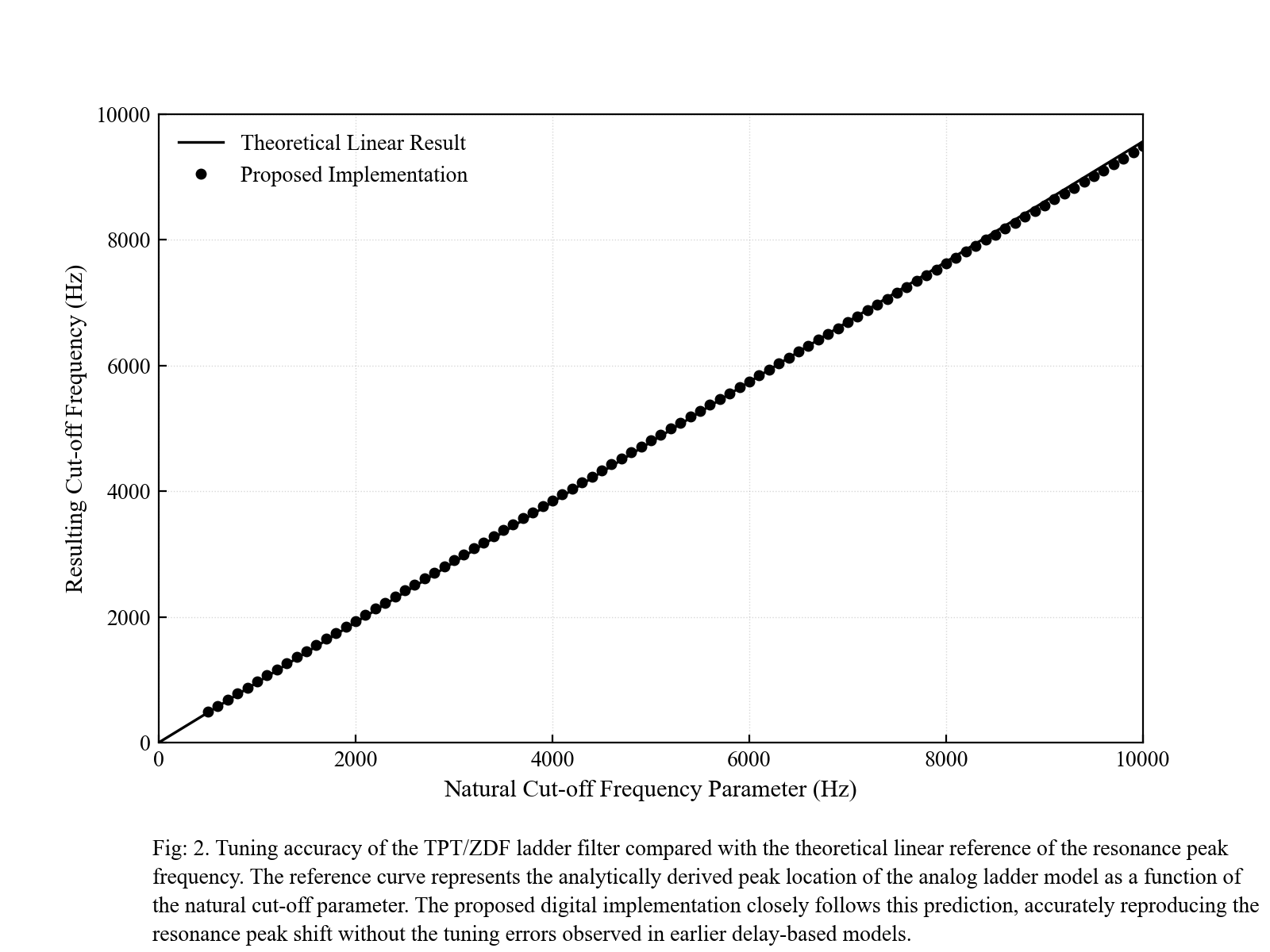
The current firmware runs five voices in polyphonic mode, or five-part multitimbral mode. Each voice is built around three oscillators plus a noise source, mixed through an analog-inspired saturating oscillator mixer stage, then fed into a Topology-Preserving Transform (TPT) Zero-Delay Feedback non-linear ladder filter.
DSP routines are implemented with ARM CMSIS-DSP and hand-optimized for phase stability and efficient real-time processing.
This approach doesn’t chase analog circuit emulation—it focuses on analog-like continuity: tiny phase changes, stable envelopes, and an immediacy that reacts like voltage rather than code.
4. Interface & Interaction
Darśana rejects menu navigation.
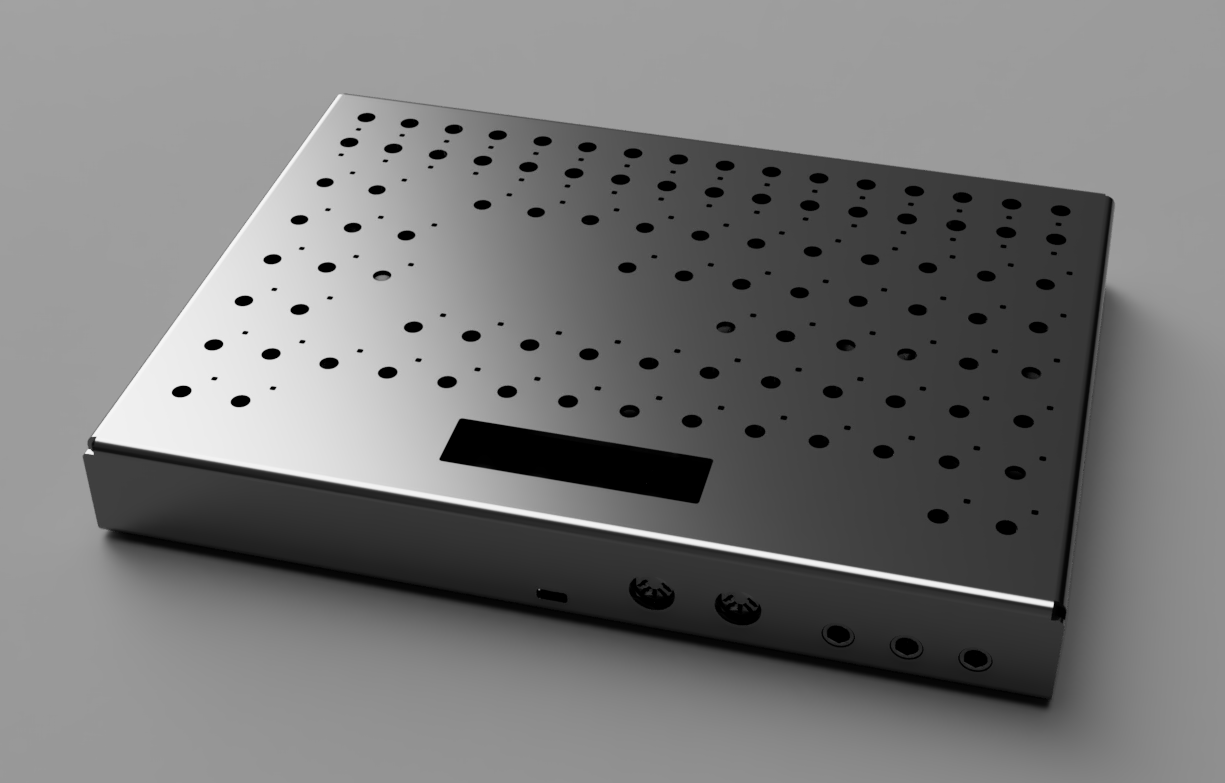
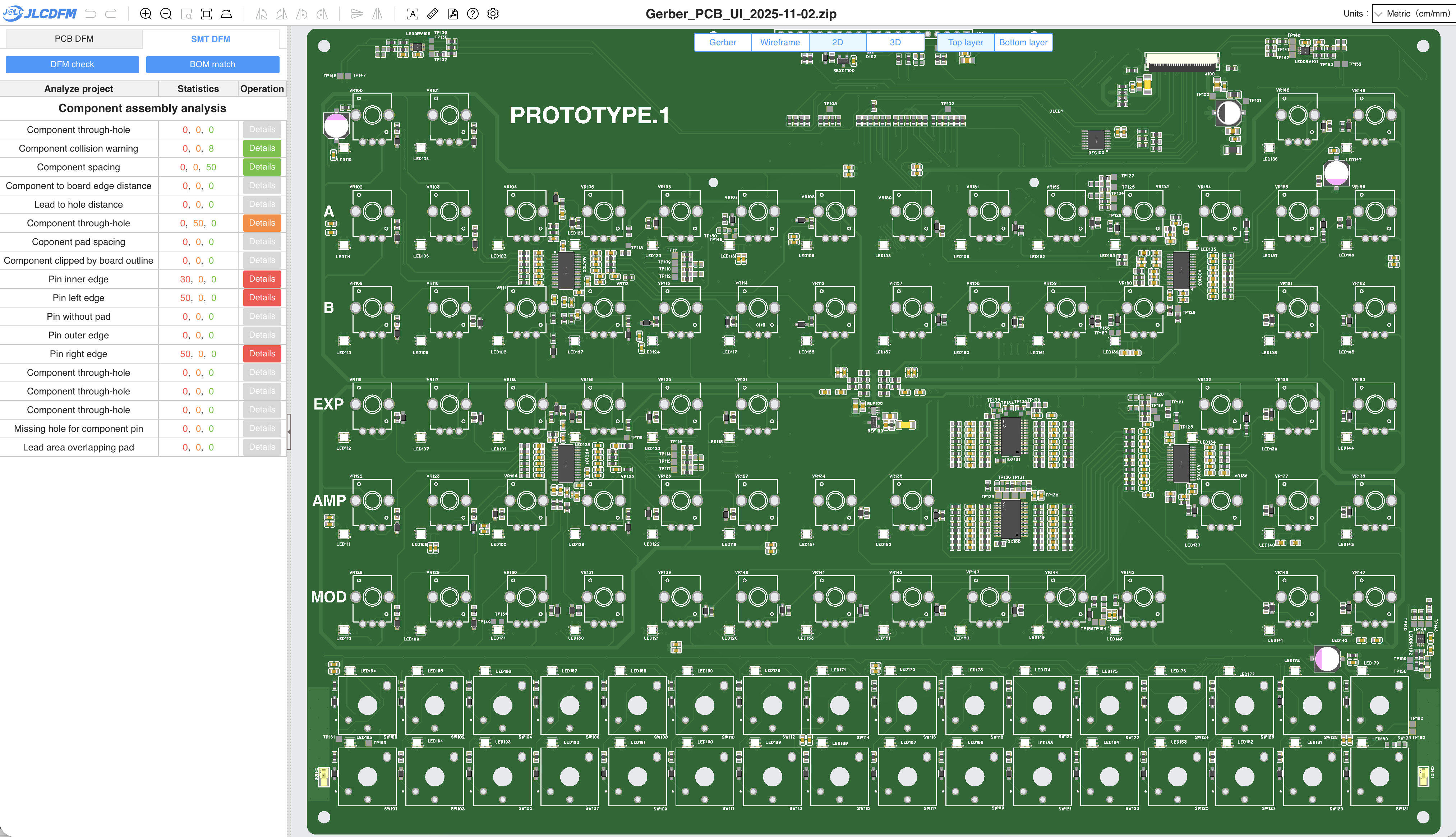
Every parameter is assigned to a physical control — 64 knobs and 32 buttons — organized by sound module (Oscillator, Filter, Amp, Mod, FX, Sequencer).
Visual feedback comes from 96 RGB LEDs, updated asynchronously via DMA.
The layout is designed to reflect the mental model of sound flow rather than software hierarchy.
5. Development Process
Schematics are locked and the PCB layouts are complete. The prototype Main and UI boards have been manufactured, and firmware development is now underway on the assembled prototype PCBs.
6. Philosophy
Darśana is not about miniaturizing a synth — it’s about exploring expression under constraint.
By combining precise timing, simple architecture, and tactile control, the project aims to rediscover the musical intimacy of analog instruments within a minimal digital form.



 Luke Weston
 Davide Ercolano
 Jonas Norling
 W5VO
W5VO
I'm looking forward to see this all working out. Doing synths and pcb's myself I know what kind of trouble you already went through. Well done so far.