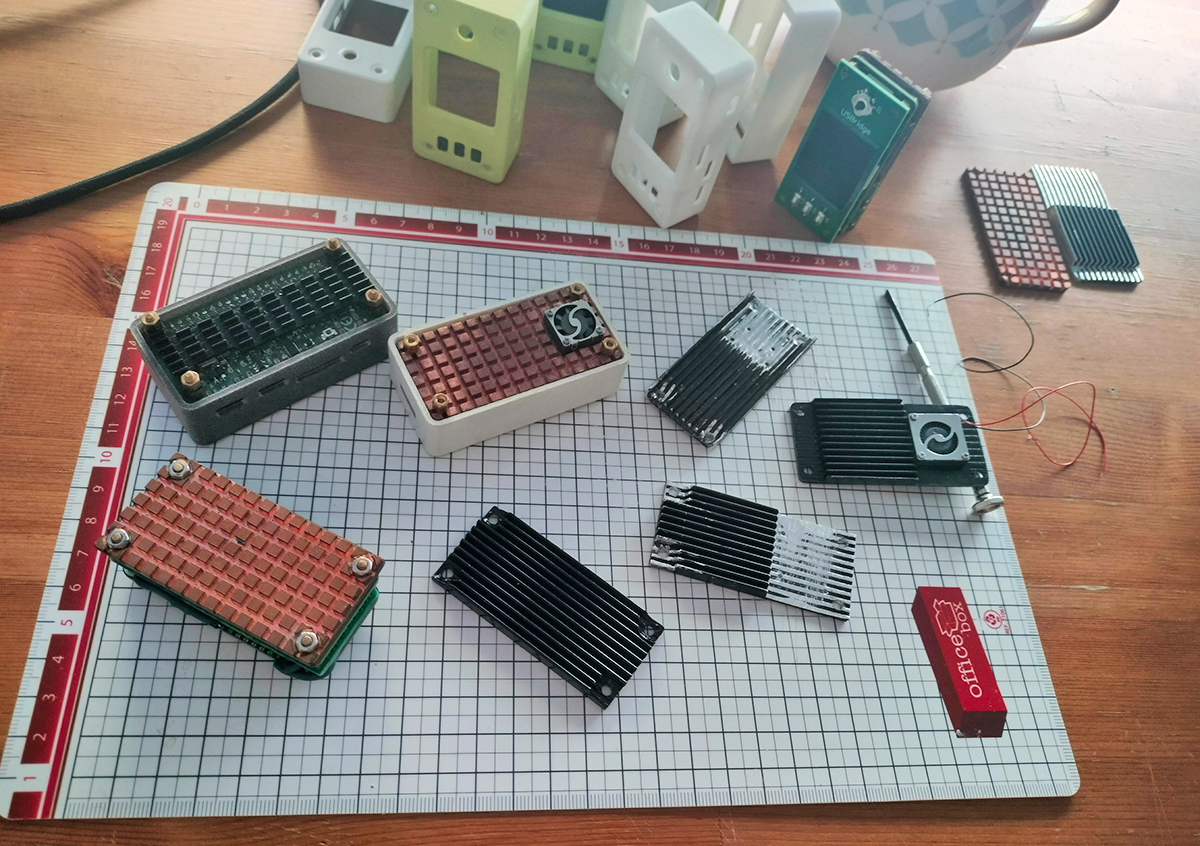
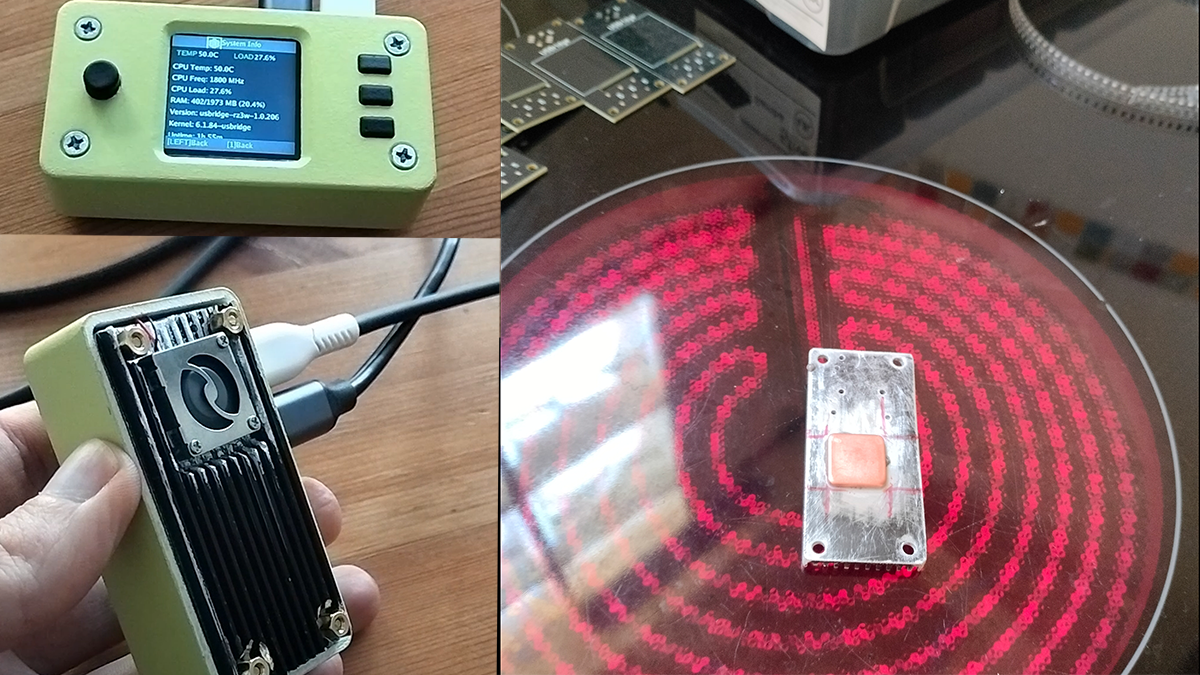
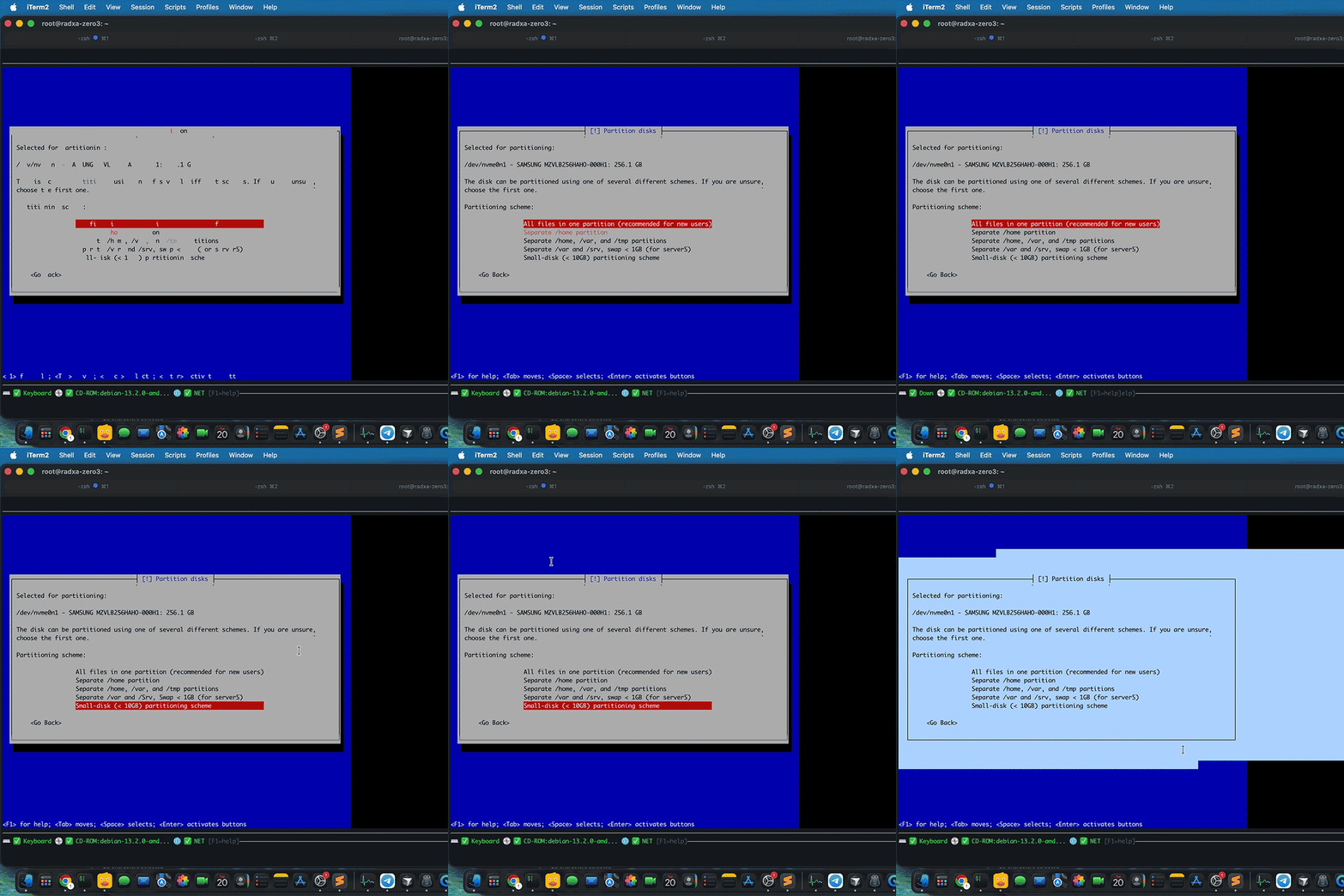
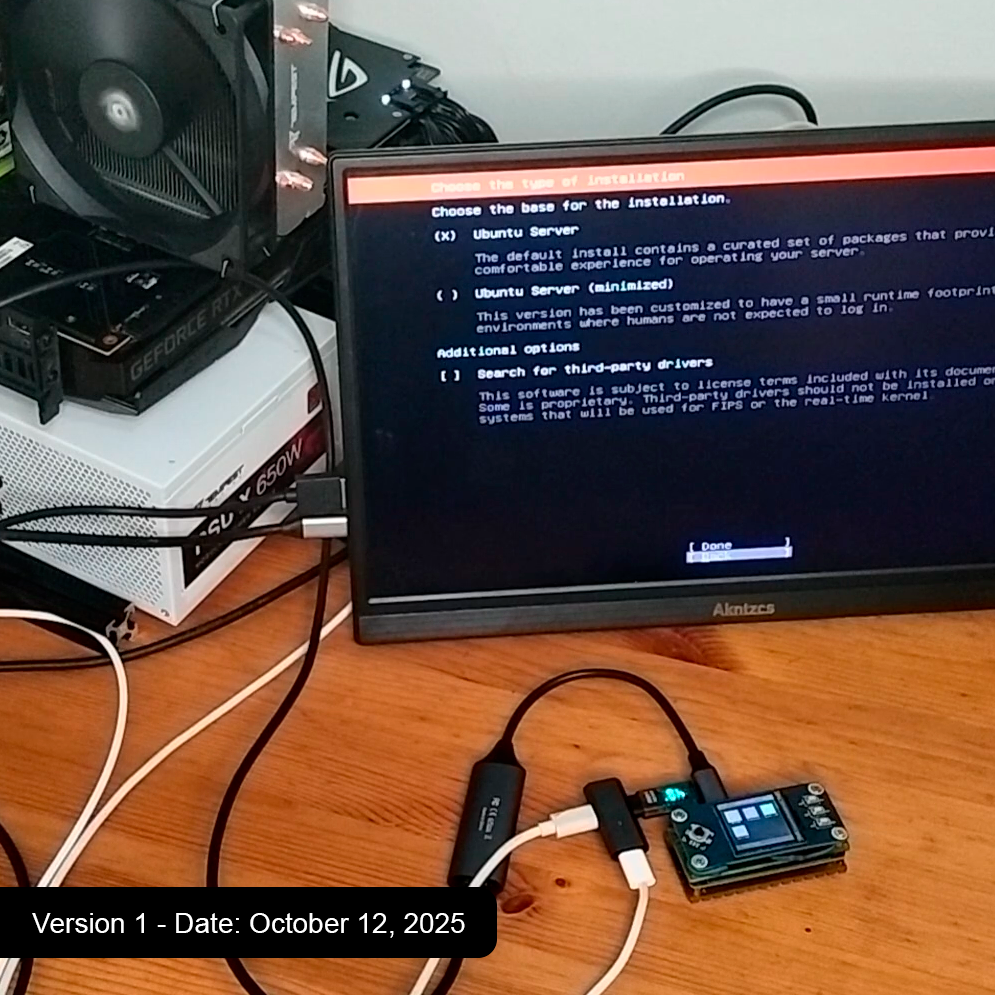
Layer-0 KVM-over-IP on Radxa Zero 3W. I convert raw BIOS video into interactive SSH text streams for low-bandwidth remote management.
To make the experience fit your profile, pick a username and tell us what interests you.
We found and based on your interests.
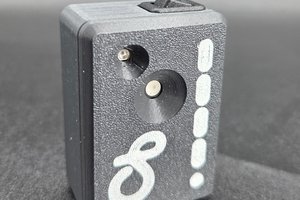
USBridge_KVM_v2_Mechanical_Parts.7zComplete CAD package for the USBridge-KVM 2.0 enclosure. Includes production-ready STL and STEP files for the main chassis and tactile buttons. The design is specifically optimized for SLS (Selective Laser Sintering) 3D printing with PA12 Nylon to ensure high dimensional accuracy and thermal stability for the internal RK3566 SoC.x-compressed - 807.46 kB - 04/30/2026 at 12:02 |
|
|
Flip-HAT_IPS_Display_Gerbers.zipProduction-ready Gerber files for the Flip-HAT 1.3" IPS Display Carrier Board. This PCB acts as the signal bridge for the integrated 240x240 screen, handling routing and power for real-time status monitoring. Compatible with standard fabrication services like PCBWay.x-zip-compressed - 44.46 kB - 04/30/2026 at 12:01 |
|
I've always found traditional KVM-over-IP solutions to be unnecessarily heavy. Pumping a 1080p 30fps stream just to toggle a BIOS setting or configure a RAID array is complete overkill, and it inevitably falls apart over high-latency or low-bandwidth links.
The concept for USBridge-KVM 2.0 grew from one simple question: Why am I streaming pixels when BIOS information is essentially just text?
I decided to build a Layer 0 (L0) debugging interface that processes the video signal directly on the device, converting it into an interactive, SSH-native text stream. This does more than just save bandwidth; it fundamentally changes how we handle infrastructure automation.
Create an account to leave a comment. Already have an account? Log In.
Become a member to follow this project and never miss any updates